Somewhere in Seoul tonight, in a studio behind a bar in Itaewon, a camera is running and a selector is leaning into a mixer with a wall of records at their back. The set goes out live, audio and vision both, to whoever is awake and listening across a dozen time zones. No one programmed the next track, and no label cut a cheque to put it in rotation. A person who loves the music is playing it to anyone who wants to hear, and somewhere in Bangkok, in New Delhi, in Manila, someone else is doing the same thing in their own city, in their own language, at the same hour.
Part one of this series ended on a cliffhanger. The independent stations that defined community radio in the West are being bought, and the clean story of scrappy independents against the algorithm stopped being clean. The answer to that, the genuinely independent, decentralized, grassroots model still meaning something, is already on air. It is rising fastest across Asia, and this is what it looks like.
A breed that was born online and built to be seen
Start with what makes this generation different from the miners' radios and the Berkeley listener-funding that part one walked through. None of these stations needed a license, a tower, or a frequency on the FM dial. They were born on the internet, and most of them are audiovisual from the start. There is a camera on the booth as well as a microphone, and the broadcast is something you watch as much as hear. Da Nang Community Radio describes itself plainly as an audiovisual radio channel. The form is the point. You see the room, the records, the person choosing them.
The second difference is a stance, stated out loud. New Delhi Community Radio runs under a slogan that doubles as a manifesto: "Authenticity over algorithms, discovery over playlists." Manila Community Radio describes itself as anti-algorithmic, horizontal, and decentralized, a volunteer-run station that has put out more than a thousand shows since it went live in July 2020. Far from vague gestures at independence, these are design principles, and they describe the same machine: a named human accountable for every slot, a resident with a recurring show, a guest invited to take the room for an afternoon.
That human curation is the structural signature of the whole breed. A streaming service learns your taste and feeds it back to you, alone, forever. A resident DJ hands you the record you did not know to ask for, because they heard it somewhere and decided you should too. Across these stations, in cities that otherwise have little in common, the model holds: discovery moves through people who are answerable to the music, broadcasting in public, in real time.
The map: a loose constellation, city by city
This reaches well past one station with a good story. It is a real movement, and the music press has been documenting it. Mixmag Asia ran a feature cataloguing the region's stations under a flat, true headline: community radio, it argued, "is the backbone of any music scene." The constellation it mapped runs across the continent.
Seoul Community Radio is the one most people name first, the flagship, broadcasting independent underground sound out of Itaewon and called the poster child of the form. Bangkok Community Radio came out of the pandemic in 2021 and grew into one of the region's most vital hubs, dozens of residents deep, run from a studio above a record shop. New Delhi Community Radio is younger and more experimental, the DIY South Asian station weaving itself into a pan-Asian network. Manila Community Radio holds down the Philippines with its anti-algorithmic, volunteer ethos. Hong Kong Community Radio livestreams experimental sound out of Wan Chai. Room 303 broadcasts from a hotel in Tokyo's Shinjuku. Hanoi Community Radio, launched in 2021 and run by volunteers, lifts up Vietnamese and diaspora artists from no fixed base, a digital home chosen partly because the digital realm is where expression carries less risk.
A scene insider will ask the obvious question, and it deserves an honest answer. These stations do not share infrastructure, and no federation governs them. There is no head office, no central tower, no single owner. What connects them is looser and more human than that: residents who play on each other's airwaves, guest mixes that travel city to city, bookings that cross borders because a curator in one place trusts a curator in another. The network is real. It is also informal, peer to peer, and some of its members are very new. That looseness is the point, because it is the decentralized shape the West's bought-up independents lost, kept alive here because no one ever centralized it.
Where Airtime Asia comes from
So when Airtime Asia says it is gathering this movement into one place, it is not arriving from outside it. The festival's own people are already inside the scene, and have been building it with their hands.
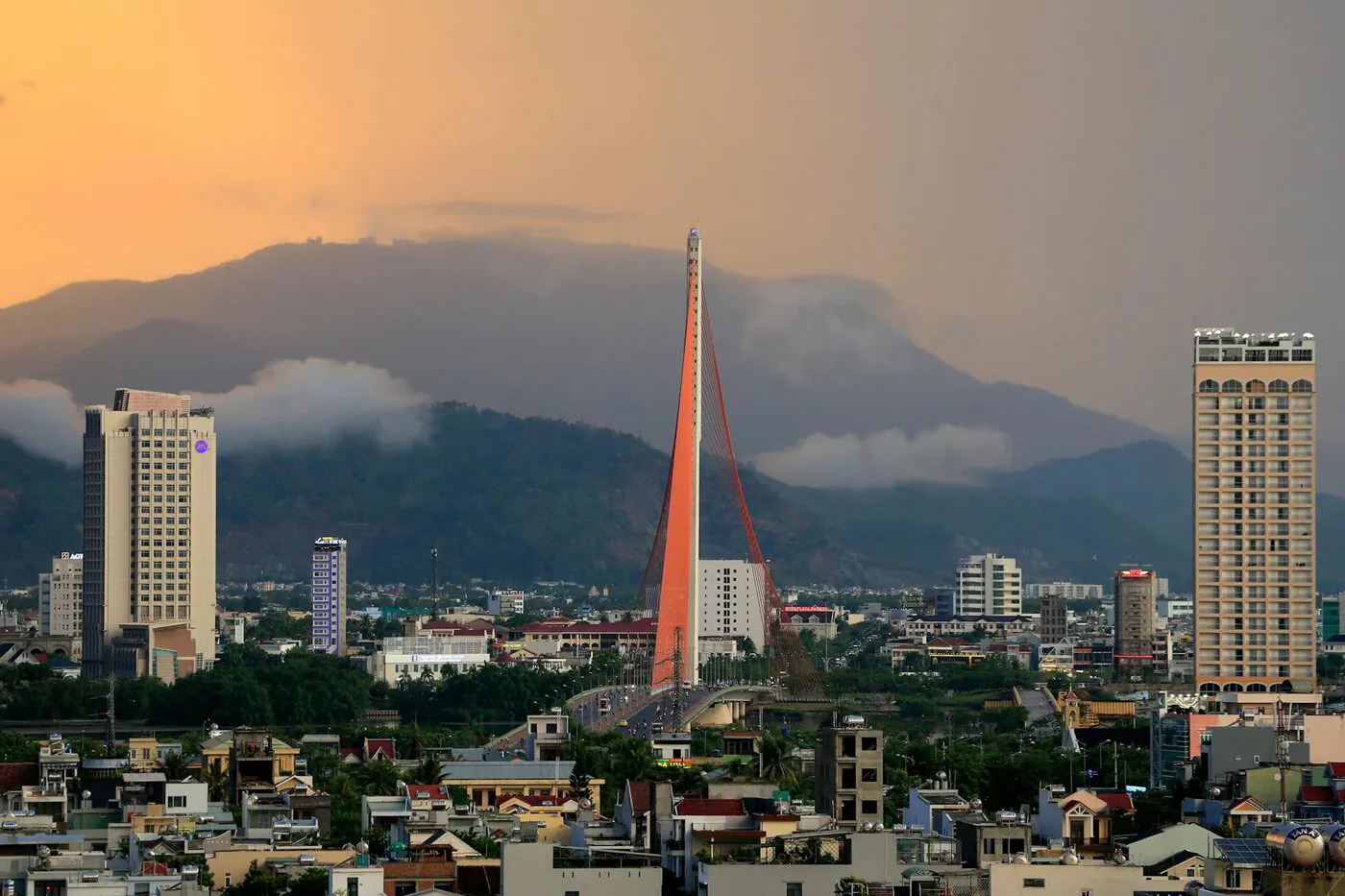
Da Nang Community Radio launched on 27 November 2024, with an inaugural broadcast of six DJs at The Roof Da Nang, and it was co-built by Secret Guests Asia, the company behind Airtime Asia. The coalition's leadership came to community radio long before any festival, by starting a station in their own city. And the wider cross-scene conversation is already on the record: Seoul Community Radio, Mixmag Asia, and EMC Australia shared a panel at Amsterdam Dance Event on the importance of these independent broadcasters across the region. EMC Australia is run by Jane Slingo, who is Airtime Asia's Senior Advisor. The people gathering the coalition were in the room when the scene was talking about itself on the world's biggest electronic-music stage.
What Airtime Asia does is give that loose constellation a physical center for four days. It pulls over a dozen of these underground stations into one coalition, each one programming its own pavilion in the festival's Friday venue crawl, every stage curated by the people who curate it the rest of the year. It runs the Airtime Asia Pool as a permanent talent network so the connection outlasts the weekend, and it stages a four-day festival, from 13 to 16 August 2026, across Da Nang and Hoi An on the central Vietnamese coast, as the place where the whole movement stands in the same room.
The festival ends on An Bang Beach in Hoi An, night into sunrise, with the Vietnam debuts of the Japanese techno pioneer Ken Ishii and the Berlin and Seoul producer Red Pig Flower. Da Nang is where the coalition lives; Hoi An, the heritage town down the coast, is where it gathers to watch the sun come up over the water. The independence the West is busy selling is the thing this coalition is built, on purpose, to keep alive in its own hands.
Feed your mind with high frequency vibrations. Join us in the Airtime.
 End of transmission