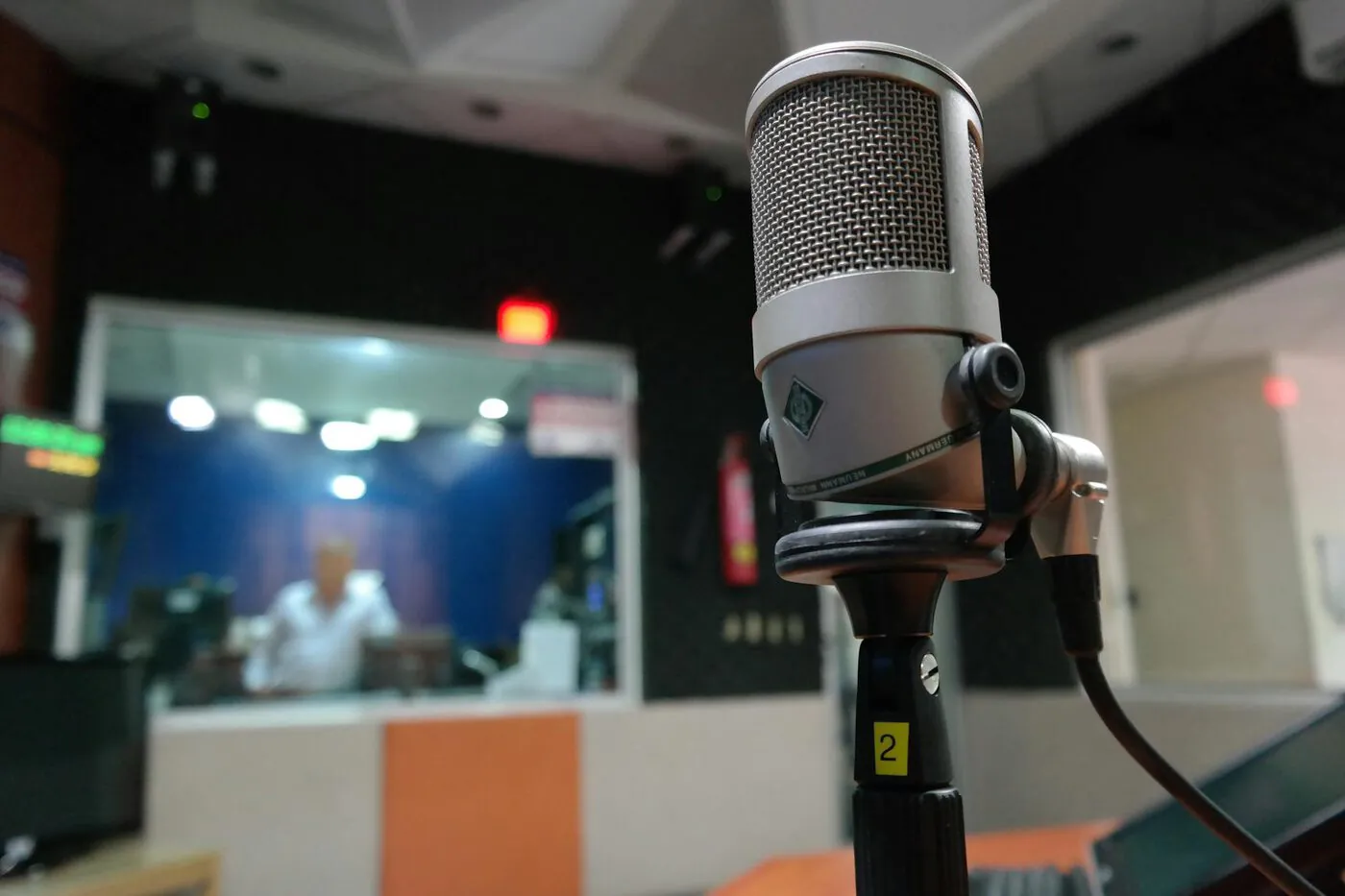
Somewhere right now, in a room above a record shop or inside a shipping container on a vacant lot, one person is playing a record to a room of strangers, live, because they love it. No algorithm chose the track, and no ad break is coming. The person on the mic is accountable to the music and to a community, and to almost nothing else. That is community radio, and most people have never heard the term for the thing that has quietly shaped what they listen to.
It has a long history, an unlikely birthplace, and a present that is more complicated than it looks. So let us tell you what it actually is, and where it came from.
The third kind of radio
Most people think of radio in two kinds, but there are three. There is commercial radio, which is owned by companies, chases the largest possible audience, and lives on advertising. There is public or state broadcasting, the big national institutions. And there is a third kind, smaller and older than most people realize: community radio.
The cleanest definition comes from the people who wrote it into law. The 2001 African Charter on Broadcasting calls community radio "broadcasting which is for, by and about the community which pursues a social development agenda, and which is non-profit." Stations in this tier are, in the words of the encyclopedias, "operated, owned, and influenced by the communities they serve." They are generally nonprofit. They are usually run by volunteers. And the community does not just listen; it makes the programming.
That last part is the line. A local transmitter playing the same Top 40 does not qualify; what makes it community radio is a community producing its own sound. People inside the movement have a saying for it: community radio should be "10 percent radio and 90 percent community." Community radio carries what commercial radio is built to avoid, the content "often overlooked by commercial broadcasters," the music that does not chase a mass audience because it was never trying to. It is independent by design and grassroots by nature, answerable to a place and the people in it.
None of that makes it easy. Community radio projects, in the honest words of one encyclopedia, "often struggle to survive in terms of both operating revenue and sustainable volunteerism." There is no advertiser to fall back on and no national budget. What holds a station up is a community that wants it badly enough to keep it alive, which is exactly why the ones that last are worth paying attention to.
What an algorithm cannot do
Hold that next to the way most people hear music now, and the contrast does the arguing for us.
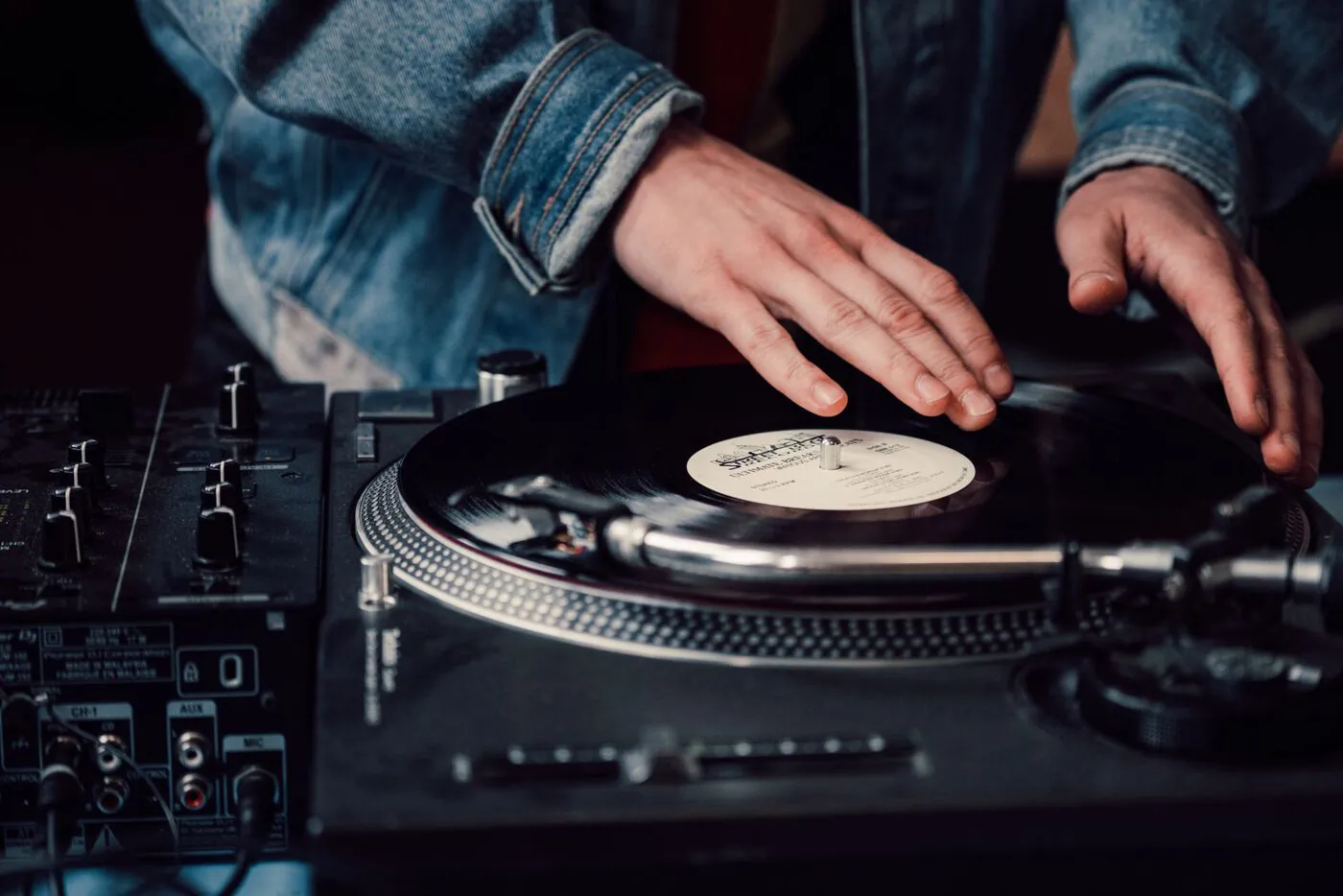
A streaming service is automated, personalized, and built for one. It learns you and plays you back to yourself, forever, alone. Community radio is the opposite shape. It is human-curated, live, shared, and rooted in a place. A named person stands behind every slot, a resident with a recurring show, accountable for what they put on, answerable to the room. NTS in London puts it plainly: "We don't chase numbers. We're just passionate about the music." For these stations, that sentence is the whole operating model, written down.
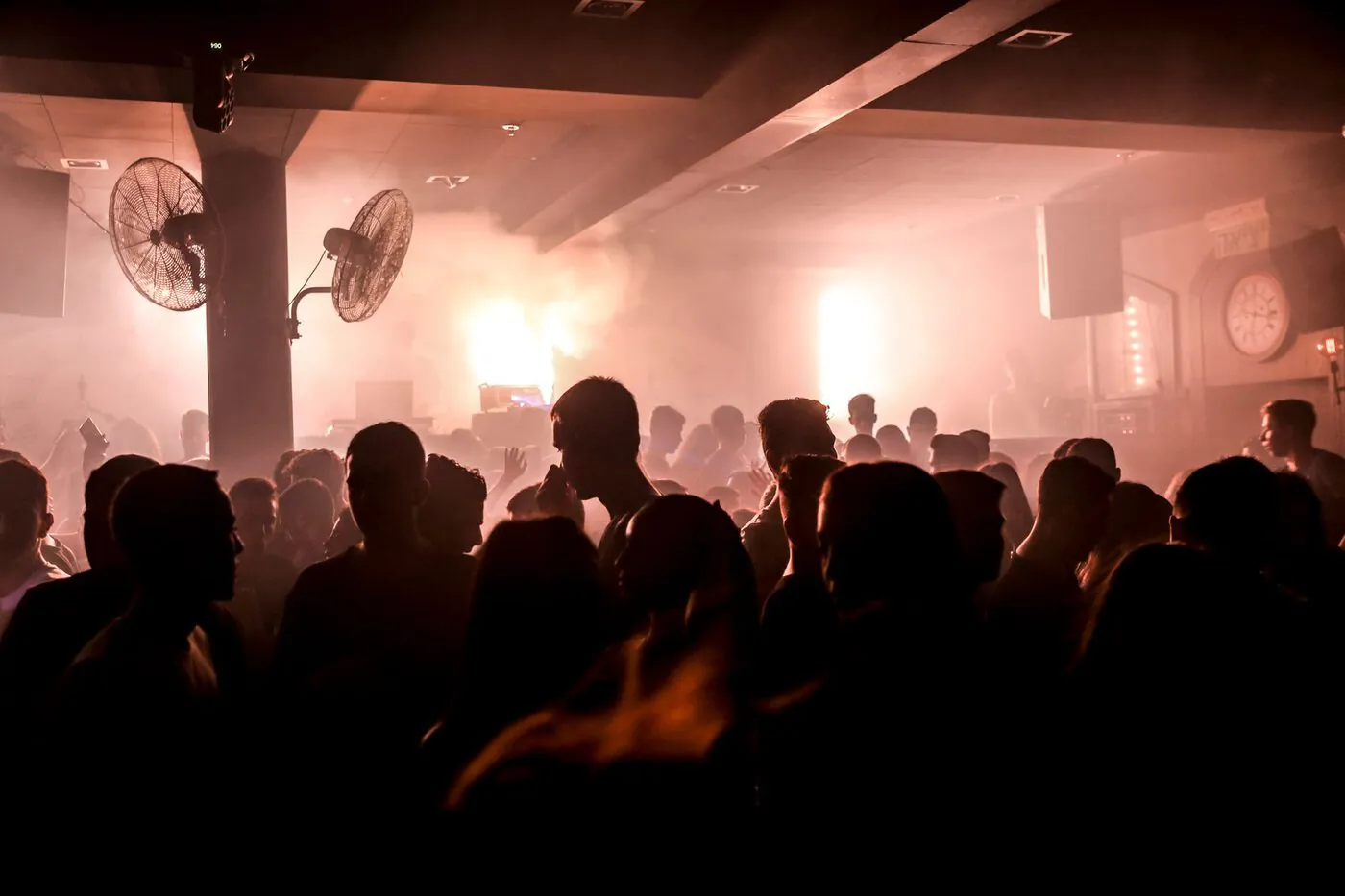
This is the infrastructure underground music actually moves through. It is where a sound gets discovered before any platform has a folder for it, where a scene documents itself in real time, where an artist in one city gets heard by a crowd in another because a curator they trust played the record. The algorithm is good at giving you more of what you already chose. It has no way to hand you the thing you did not know to ask for. A person who loves the music does that without thinking about it.
A birthplace most people would never guess
For all its present-day energy, this is an old idea. Community radio emerged in late-1940s Latin America, often called its birthplace, and the two places usually named both arrived in the same year.
In Bolivia, tin miners ran their own union radios from around 1947, broadcasting their own news and their own voices out of the mining districts at a time when no one else would carry them. In Colombia that same year, a priest named Jose Joaquin Salcedo started Radio Sutatenza to fight rural illiteracy. It taught farmers to read over the air, ran from 1947 all the way to 1990, and became a model copied across the continent. Neither one gets to be called the single first. They emerged together, which is its own kind of fitting for a medium built on the idea that no single voice owns the air.
The model traveled. In the United States, KPFA went on air in Berkeley on April 15, 1949, founded by the pacifist Lewis Hill as the first listener-funded station in the country. The idea sounded faintly absurd at the time: a station paid for by the people who listened to it, with the advertisers left out entirely. It worked, and decades later public broadcasting borrowed the same model wholesale. The values that carried across all of it are easy to state. Australia's community broadcasters list them in five words: access and participation, volunteerism, diversity, independence and locality.
By 1983, the movement had grown large enough to need a name for itself. Community broadcasters from around the world met in Montreal and founded AMARC, the World Association of Community Radio Broadcasters, the international umbrella for the whole tier. Its members put the case for what they do as plainly as anyone has: radio, they said, is "the most affordable, egalitarian and accessible communication technology." A microphone, a transmitter, and a community is most of what it takes. That is the whole reason it has kept appearing in places the big institutions never reached.
The institutions eventually caught up to it. The 2001 African Charter wrote the definition into law; the Council of Europe formally recognized community media in 2007; UNESCO has backed the three-tier model, commercial and public and community side by side, as the healthy shape of a media landscape in its own right. By 2020, dozens of countries had laws protecting community radio as its own non-commercial category. A thing that started with miners and a priest is now a recognized pillar of how the world talks to itself.
From the rooftops to the renaissance
The other half of the family tree is less official and a lot louder. Long before the laws caught up, people who could not get a license simply took one.
In 1980s London, black-music pirate stations broadcast from tower-block rooftops to carry the music the licensed dial would not. Kiss FM started that way in October 1985; the authorities raided it three days after its first full broadcast. The pirates kept coming back. Rinse FM was founded in 1994 by two teenagers in a Tower Hamlets council flat, with an aerial taped to a broom handle, and stayed pirate for sixteen years before it finally won a legal community license and went legitimate in 2011. The cat-and-mouse with the authorities got specific: in 2005 one of its founders was handed an order banning him from going up on the tower-block rooftops of Tower Hamlets at all, reportedly the first of its kind. Along the way Rinse was an early home to grime and dubstep, the local broadcast of music the mainstream had no shelf for yet.
That is the lineage today's online stations inherit, minus the illegality. The internet handed this third tier a second life, and the last fifteen years have been a renaissance. NTS started in a Hackney studio in 2011 on a budget of around five thousand pounds. The Lot Radio has broadcast 24 hours a day since 2015 from a reclaimed shipping container on an empty Brooklyn lot, a registered nonprofit with a coffee kiosk out front. dublab has run as a listener-funded station out of Los Angeles since 1999, one of the earliest internet music stations still on air. None of these are big businesses. All of them matter more than their size suggests, for the same reason the Bolivian miners' radios did: a small group of people, accountable to the music and to each other, can carry sounds that no institution would ever clear for broadcast.
The catch worth naming
There is an honest complication, and pretending it away would insult the reader. The independents that defined this whole model are being bought.
Universal Music Group, the major-label giant, took a major stake in NTS in 2023. Boiler Room, the broadcaster that made the crowd-behind-the-DJ stream famous, is now owned by a private-equity-backed group. The clean story of scrappy independents against faceless algorithms is no longer clean, because major labels and private equity have moved into the very stations that made independence cool in the first place. Independence, it turns out, is most attractive to the people best positioned to buy it.
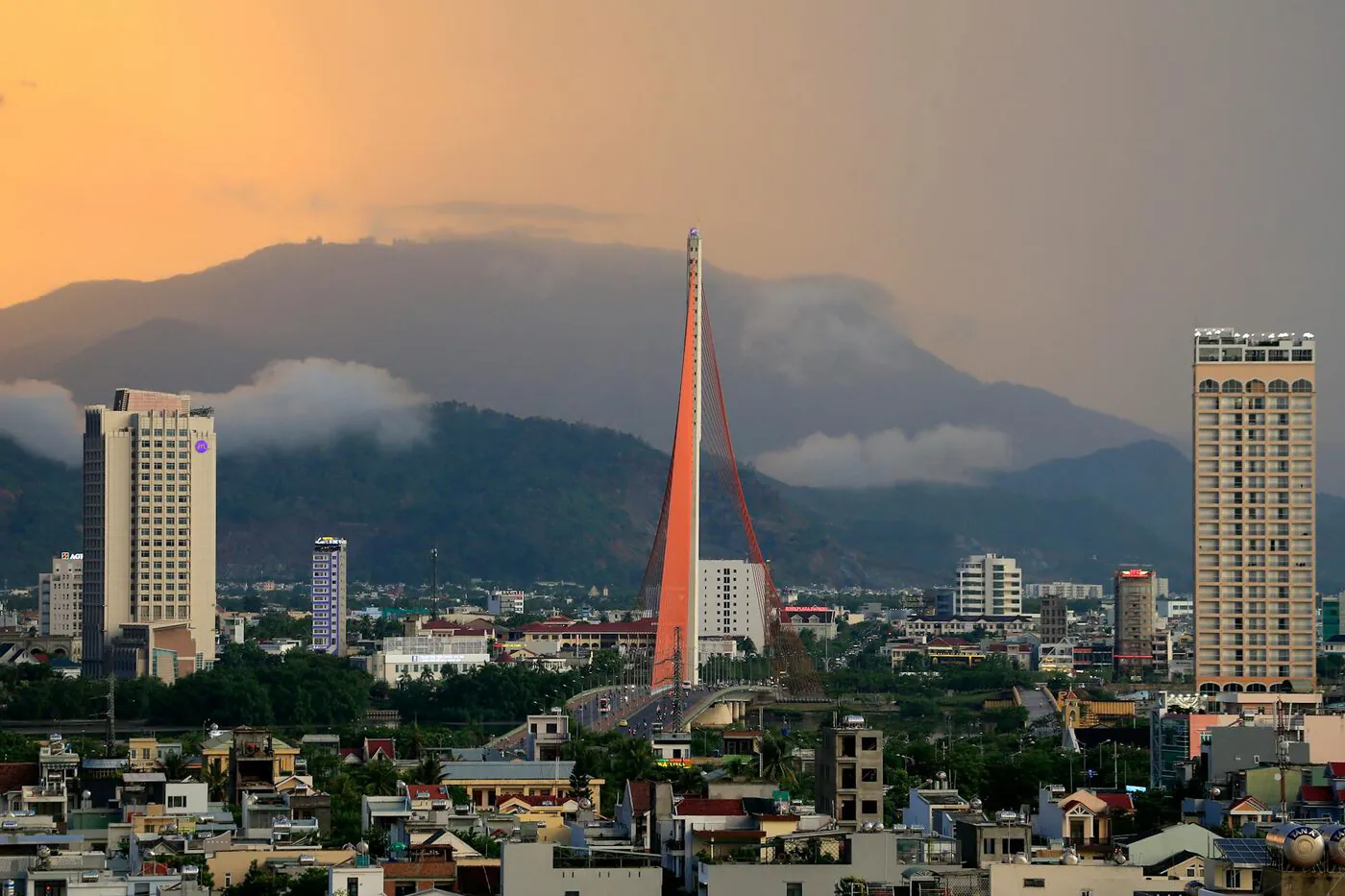
We do not find that depressing. We find it clarifying. It is exactly why a genuinely independent, decentralized, grassroots model still has to mean something, and why it has to be built on purpose, deliberately, by people who choose it. That model is answering back right now, and it is rising fastest across Asia, in a loose constellation of underground stations that most people outside the scene have never seen. That is the world Airtime Asia comes from, and the reason we are building what we are building. More on that in part two.
Feed your mind with high frequency vibrations. Join us in the Airtime.
 End of transmission